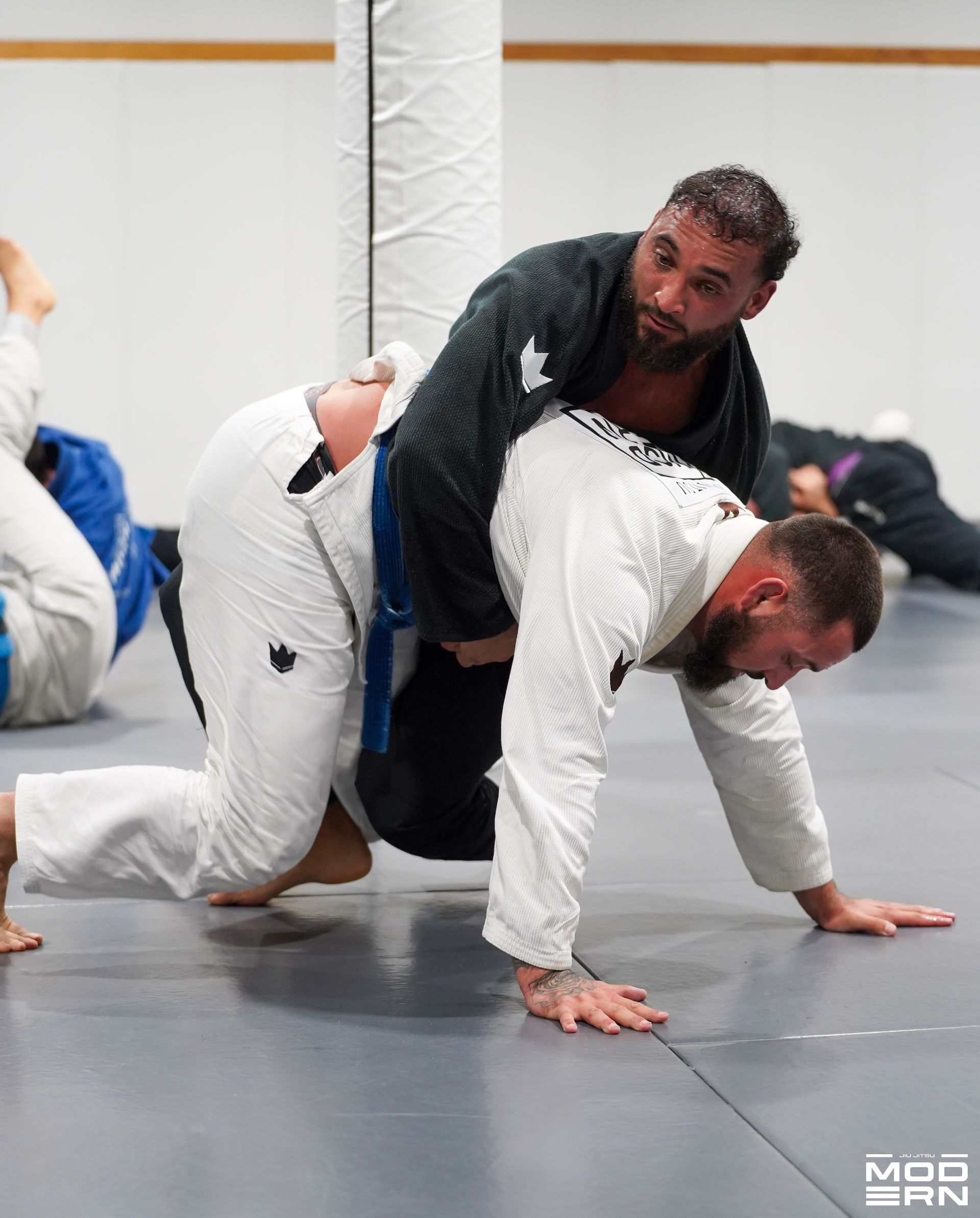
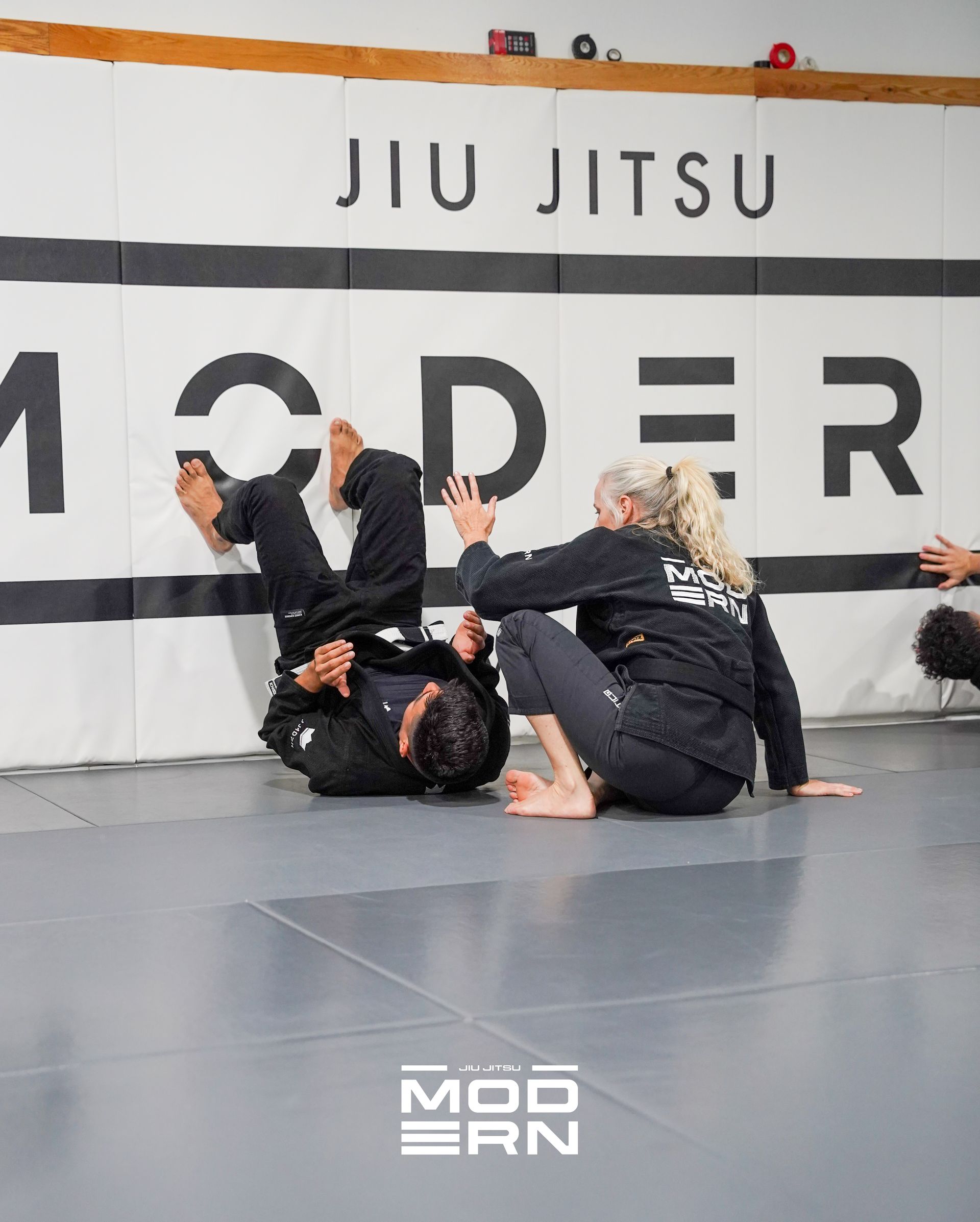
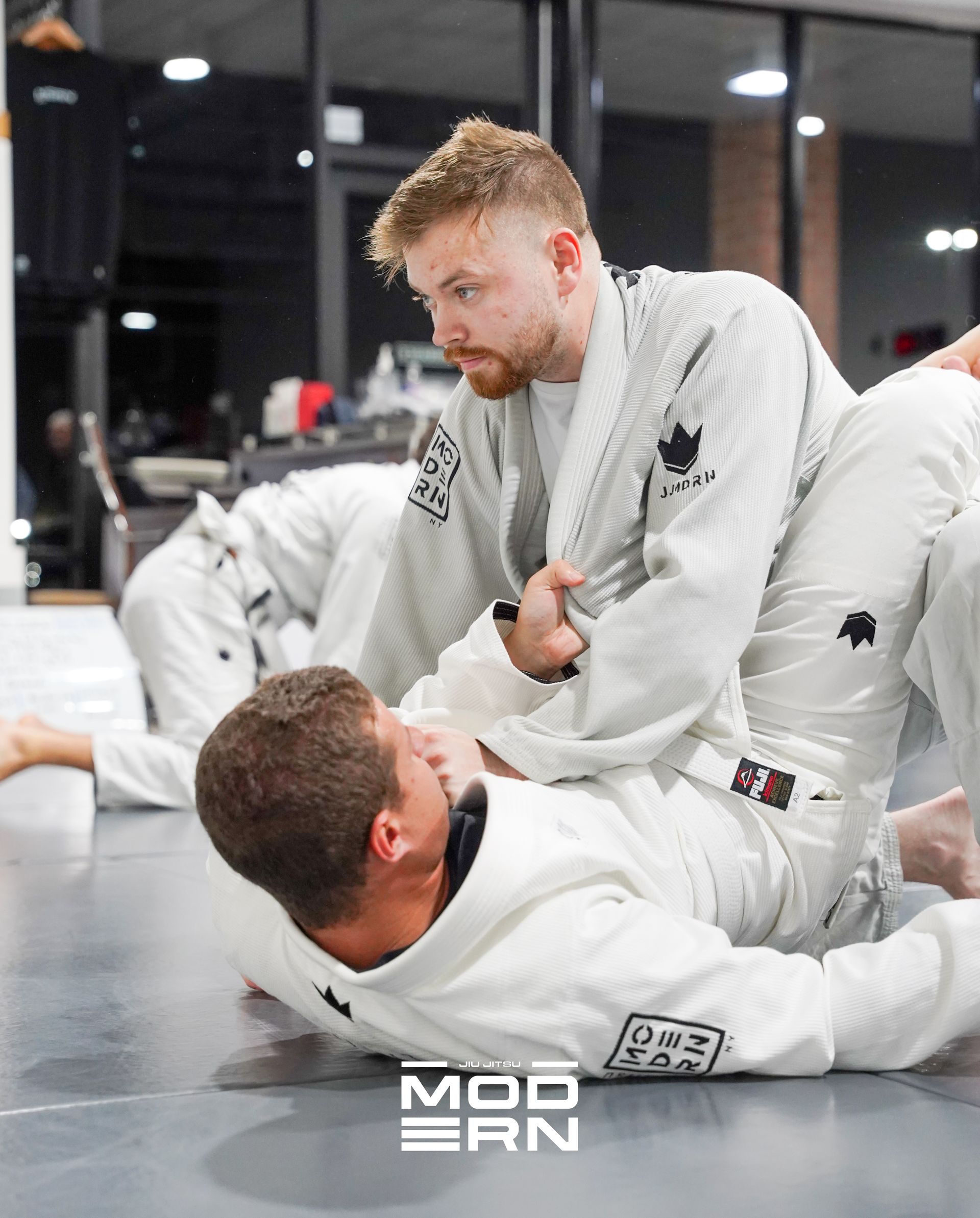
Your first month builds familiarity, and your next months build the routine that makes training stick.
Staying consistent after the first month is where adult training starts to feel real, because the schedule, recovery, and learning pace all have to fit your life. To Become part of Adult Brazilian Jiu-Jitsu for the long term, the most practical approach is choosing a routine you can repeat through work deadlines, family obligations, and the occasional missed week.
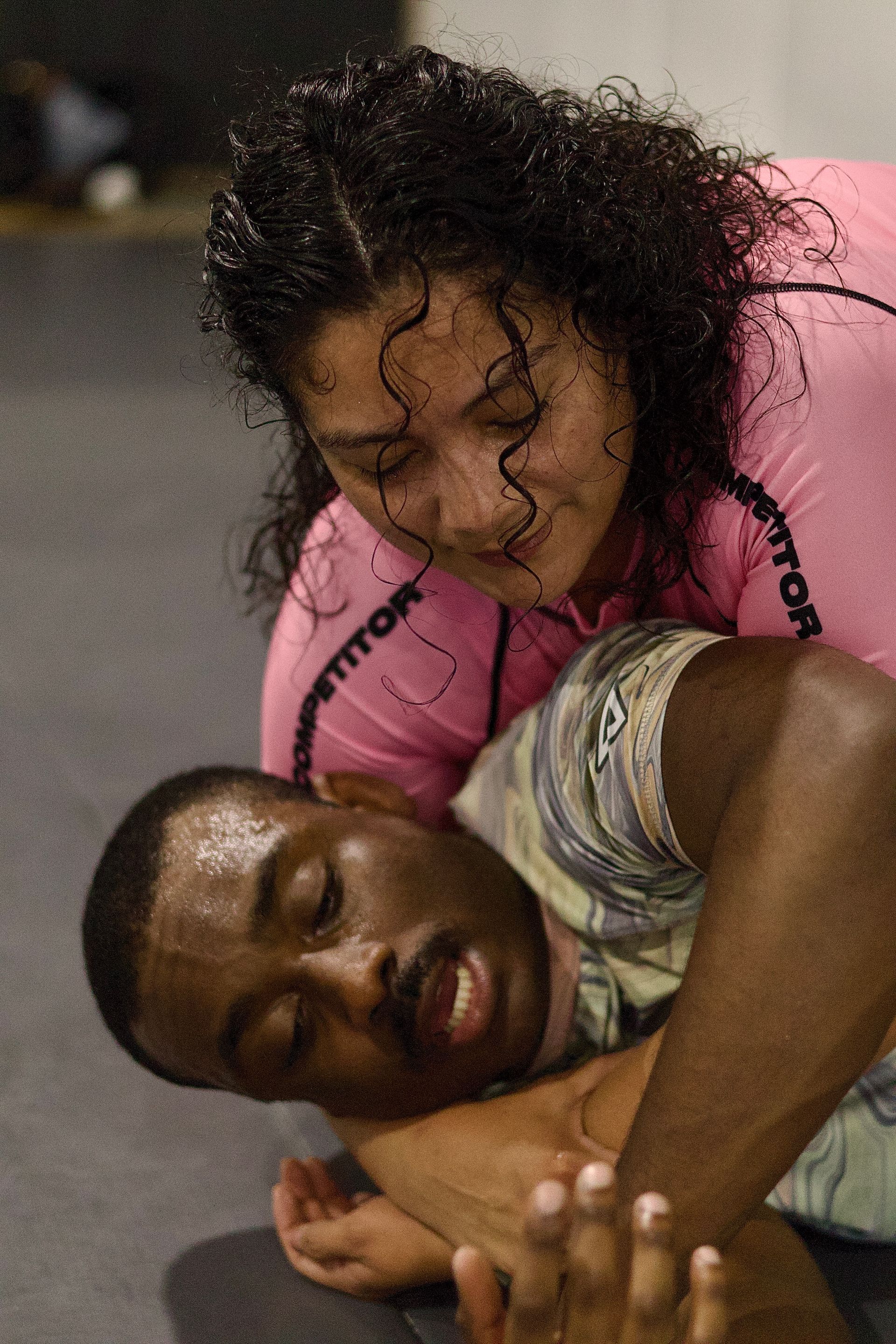
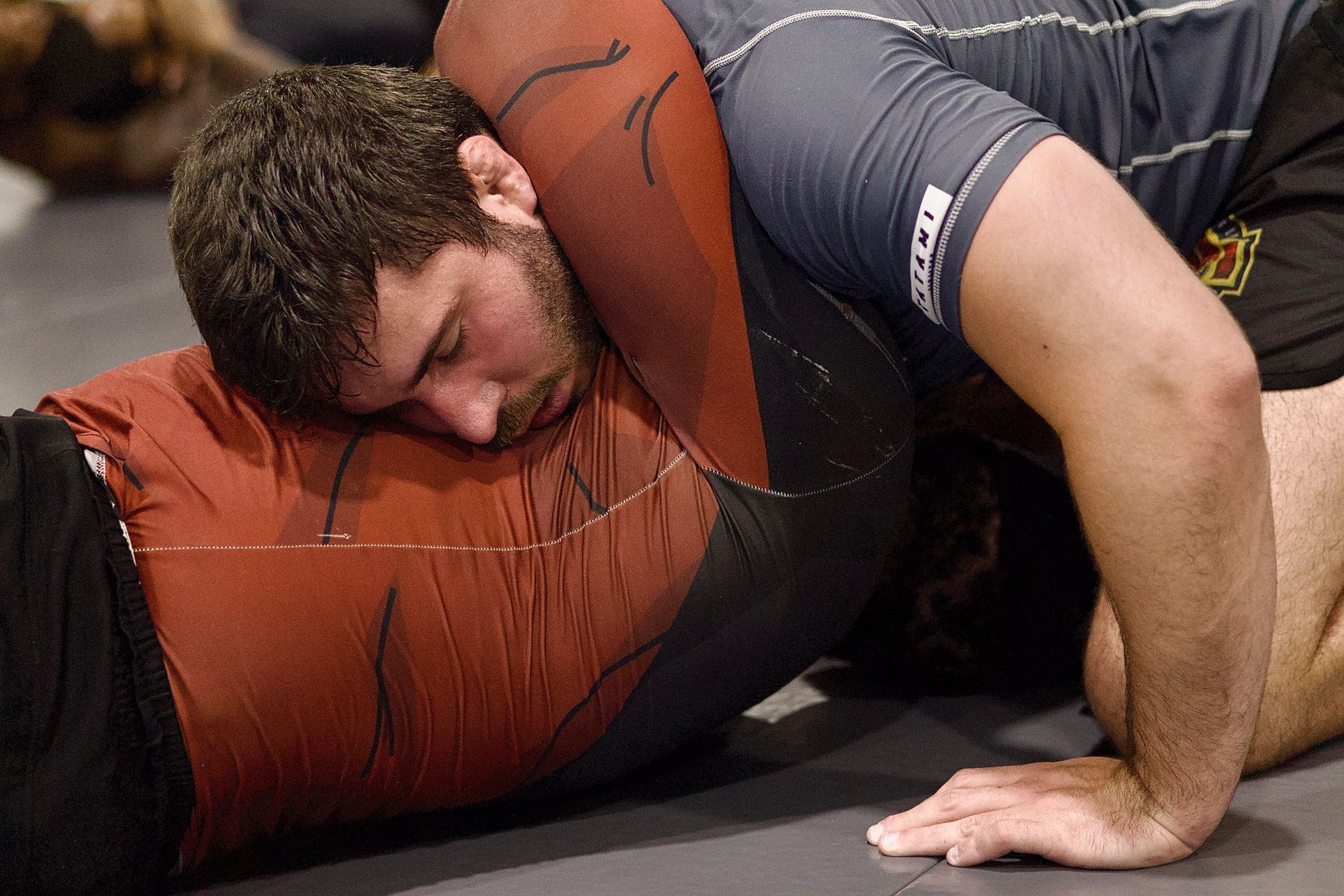
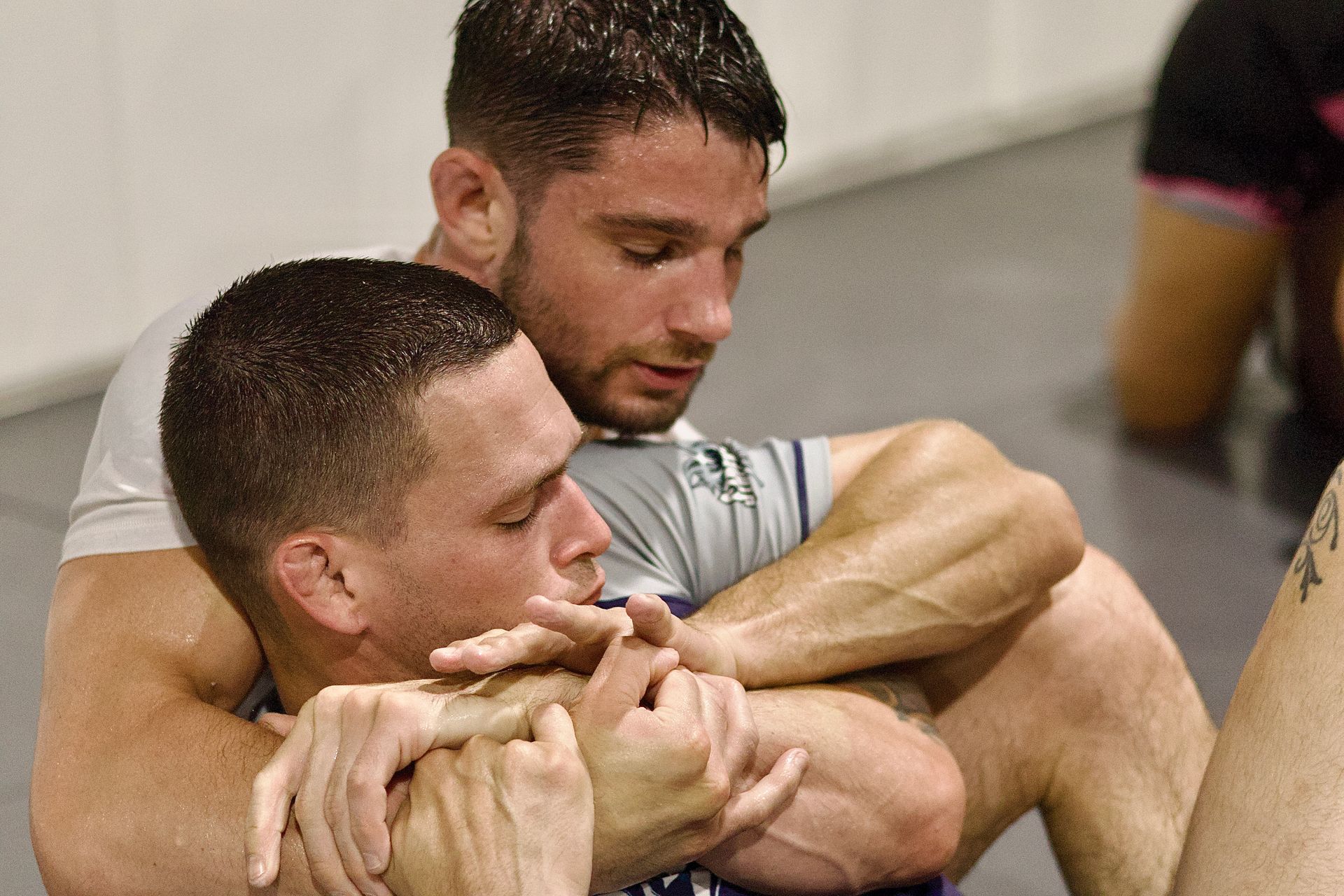
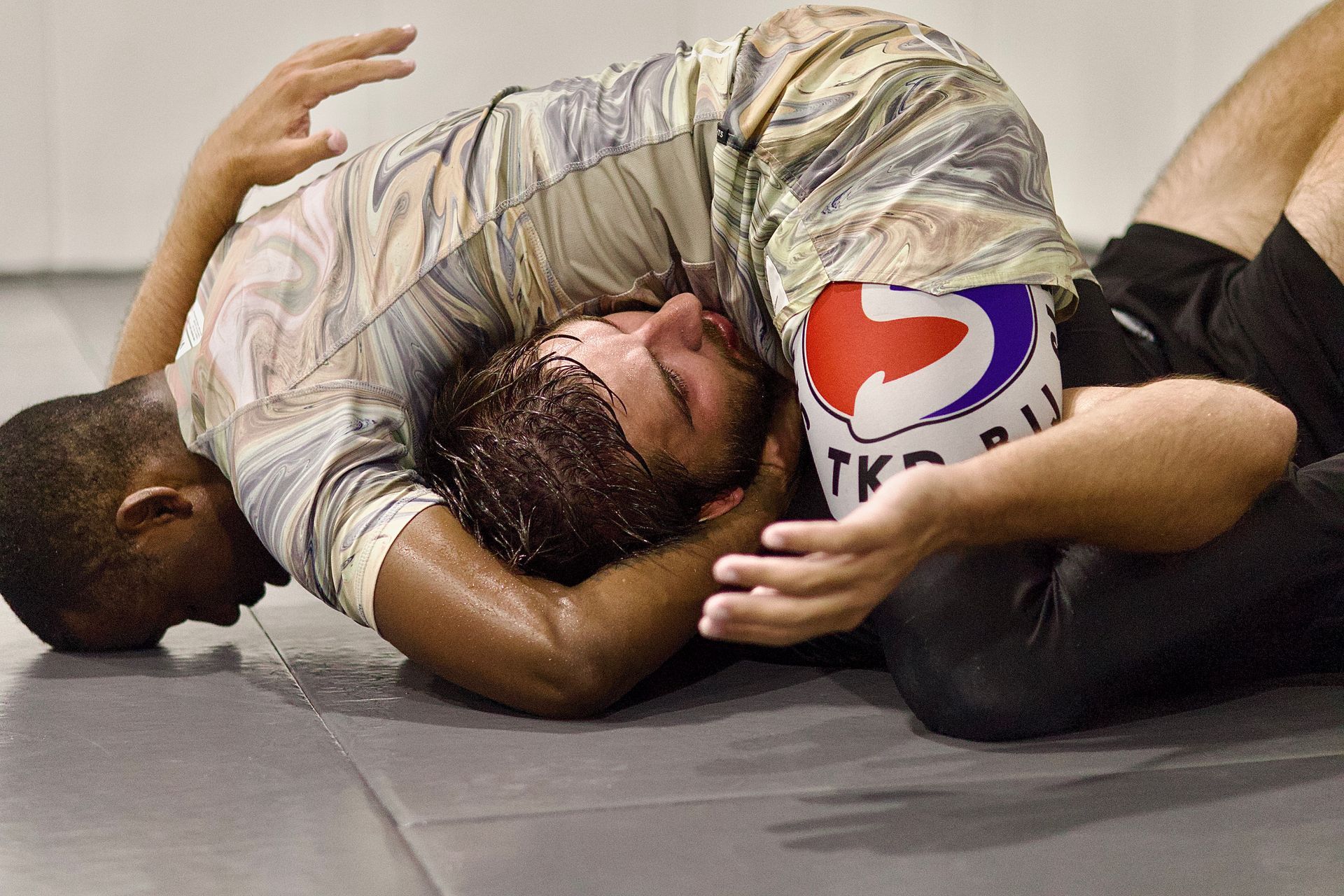
Our adult program is built for people with different starting points and goals, including fitness, self-defense, stress relief, and community. Classes typically include structured instruction, partner drills, positional training, and live sparring when appropriate, so you can keep improving without guessing what to do next.
How Do Adults Fit BJJ Into Busy Schedules?
Adults who stay with training usually treat classes like recurring appointments, because consistency beats occasional bursts of motivation. Around North Babylon and nearby Long Island towns, many students are balancing commutes, parenting routines, school activities, and rotating work hours, so we plan our training options with that reality in mind. We offer morning, daytime, evening, and weekend availability, and you should always confirm the current adult timetable on the class schedule page since times can change.
Build a repeatable weekly rhythm
After your first month, a workable routine is a bigger predictor of progress than any single technique. A sustainable plan typically includes two anchor classes you can protect most weeks, plus one backup option for when meetings run late or family plans shift. For some adults, that backup is a Saturday class; for others, it is an earlier session before commuting.
Here is a practical way to think about weekly frequency as an adult:
• One class weekly: Keeps you connected and moving, but technique retention can feel slower because repetitions are spread out.
• Two classes weekly: A strong baseline for many professionals and parents because it builds momentum without overwhelming recovery.
• Three classes weekly: Often ideal when you want faster familiarity with positions while still leaving space for strength training, rest, and family time.
• Four or more classes weekly: Can work well for highly committed students, but it requires smarter sleep, nutrition, and intensity management to stay healthy.
These are planning guidelines, not promises about results, because real life schedules are different for everyone.
Make the total time commitment realistic
A common mistake is counting only the class length and forgetting everything around it. For many adults, the real weekly investment includes commuting to 1502 Deer Park Avenue in North Babylon, changing, warming up, cooling down, showering, and eating enough to recover. If your calendar is tight, it helps to plan BJJ like you plan work meetings: block the full window so you are not rushing in stressed or leaving halfway through.
Examples that fit North Babylon life
Different schedules can still support consistent training:
• A parent trains two evenings each week after kids activities are done, treating those nights as fixed commitments.
• A commuter uses an early class before heading toward Babylon, Deer Park, Brentwood, or Manhattan, and keeps Saturday as a fallback.
• A professional trains on weekends during busy seasons when weekday meetings are unpredictable.
• A shift worker alternates between daytime and evening options, using the schedule page to choose the week that fits.
No matter your situation, the goal is to keep showing up often enough that the fundamentals stay fresh.
What Changes After Your First Month of Training?
The first month is often orientation: learning how to move safely, how to drill with a partner, and how to handle your nerves during your first rounds. After that, training becomes more about repetition and recognizing patterns. You may still feel like a beginner, but you usually start noticing small improvements that matter.
Progress is rarely linear, and that is normal
In the second month and beyond, some days feel sharp and some feel messy. That does not mean you are regressing; it usually means you are attempting more realistic problems. As positions become familiar, you will also face new reactions from training partners, which creates the feeling of starting over, even though your base is improving.
Signs of progress we look for after the first month include:
• Remembering key details from instruction without needing to ask multiple times
• Breathing better and staying calmer under pressure
• Recognizing common positions before we name them
• Escaping more efficiently, even if you still get caught later in the round
• Communicating with partners about pace, safety, and injuries
• Using posture and grips with more intention
These improvements matter because they keep you training safely and learning faster.
Your goals start to get clearer
Early on, many adults start with a general idea like getting in shape or learning self-defense. After a month, it is easier to choose a direction: maybe you like the problem solving of positional rounds, maybe you want a realistic self-defense foundation, or maybe the biggest benefit is having a structured break from daily stress. That clarity helps you stay consistent and reinforces why you decided to Become part of Adult Brazilian Jiu-Jitsu in the first place.
Stress relief becomes more reliable with routine
Brazilian Jiu-Jitsu demands attention to posture, timing, balance, and breathing, and that focus can create a strong mental reset. Research on BJJ and wellbeing suggests potential benefits such as stronger social relationships and progress toward meaningful goals, and one adult-participant study reported improvements in areas like confidence, anxiety, mood, and community connection. Those findings are promising but they are results from a specific study, not a guarantee for every person, and training is not a substitute for medical care when you need it.
How Much Time Should You Commit Each Week?
Most adults do best when training fits into the rest of their life without constant negotiation. For many people, two classes per week is the simplest place to start after your first month, and adding a third class works well when recovery and scheduling allow. The key is picking a plan you can sustain for months.
A simple commitment framework
Instead of aiming for the maximum you can handle during a good week, choose the minimum you can reliably hit during a hard week. That mindset keeps you from disappearing when work gets busy or family needs increase. It also protects your body, since recovery often becomes the limiting factor for adults.
A realistic approach we often recommend looks like this:
1. Choose two anchor classes that fit your typical week and protect those time slots.
2. Identify one backup option in the schedule for weeks when the anchors get disrupted.
3. Plan one recovery element, such as a rest day, light mobility work, or an easier technical session.
4. Reassess every four to six weeks based on sleep, soreness, and consistency, not just enthusiasm.
5. Keep your focus on attendance and learning rather than trying to win every round.
This framework helps you Become part of Adult Brazilian Jiu-Jitsu without burning out.
Factor in recovery like an adult athlete
Even if you are not competing, your joints, neck, and grip strength will feel the training. Adults who progress steadily tend to do three things: sleep enough, eat enough protein and overall calories to recover, and communicate about intensity. Some days should be lighter, especially if you are dealing with a physically demanding job or high stress weeks.
How Do You Stay Motivated as Life Gets Busy?
Motivation gets easier when success is defined by habits. After the first month, it helps to measure progress by showing up, learning one new detail, and leaving the mat healthier than you arrived. That mindset keeps training enjoyable and lowers the pressure adults often put on themselves.
Use attendance goals that fit adult life
A simple target like eight classes in a month is often more effective than vague goals like getting good fast. It also gives you a clear win even when some sessions feel challenging. If you miss a week, return to your normal schedule without trying to cram extra sessions into a tired body.
Lean on training partners and structure
BJJ is social by nature, and that matters for consistency. Many students keep going because they know their training partners expect them, and because the class format provides a clear plan each session: instruction, drilling, positional work, and sparring when appropriate. That structure reduces decision fatigue, which is a big deal for busy adults in North Babylon.
Keep intensity under control
Adults often quit because every session turns into a grind. You can stay in the game longer by choosing rounds that match your energy and by telling partners when you need a lighter pace. Consistent training at moderate intensity beats occasional training at maximum intensity for most people.
What Does Progress Look Like Beyond the Basics?
After the beginner phase, progress becomes subtle. You might still tap often, but you start understanding why things happen, which is the foundation for long-term improvement. The goal is to build reliable responses in common situations so your reactions become calmer and more technical over time.
Better decision making under pressure
One of the most meaningful upgrades is choosing the right action at the right time. Instead of doing random movements, you begin to connect steps: defend the immediate threat, create a frame, recover position, then look for an escape or control. That chain of decisions is what turns individual techniques into usable skill.
Technical confidence without chasing belts
Belts and promotions matter, but they are not the best early measure of success. For adults, better indicators include:
• You can describe what you were trying to do in a round, even if it did not work.
• You can survive longer in uncomfortable positions without panicking.
• You can repeat a basic escape with fewer steps and less energy.
• You can roll safely with different body types and experience levels.
If your goal is to Become part of Adult Brazilian Jiu-Jitsu long-term, these markers are the ones that keep you engaged and improving.
Fitness improvements that come from skill building
Conditioning develops as you train, but it is not only about being tired. When technique improves, you waste less energy, your breathing gets steadier, and you recover faster between rounds. For many adults, that efficiency is the first noticeable change, and it carries over into daily life.
How Does the Community Support Ongoing Members?
A supportive adult room helps you keep training even when life is chaotic. Community support is not about hype; it is built through routines that make training predictable and safe. Rotating partners, asking quick questions before class, and getting feedback during drills all add up to better learning and better retention.
Training with a range of experience levels
Our adult classes include people at different stages, and that matters because beginners need safe, patient rounds while experienced students need technical resistance and variety. That mix creates a learning ladder: you can learn from the people ahead of you, and over time you help newer students understand the basics.
A place to focus on meaningful goals
Wellbeing research on BJJ highlights themes like social connection and working toward meaningful goals. In practical terms, that often looks like having a consistent weekly practice where you can track small wins: improving an escape, staying calm, or simply attending despite a busy schedule. Those small wins compound, especially after your first month.
What Should You Expect from Instructors and Peers?
Adults learn best when the environment is clear, structured, and safe. You should expect instructors to explain techniques, demonstrate safe training habits, and adjust for different experience levels. You should also expect to take responsibility for communication and self-management.
What we provide in Adult Brazilian Jiu-Jitsu in North Babylon
In our Adult Brazilian Jiu-Jitsu in North Babylon program, we focus on structured instruction, partner drills, positional training, and live sparring when appropriate. That progression helps you practice the move, test it in a controlled scenario, and gradually apply it against resistance. If your goal is self-defense, fitness, stress relief, or simply mastering a challenging skill, this structure keeps sessions productive.
We also offer multiple training times, including morning, daytime, evening, and weekend availability, which can help adults keep training through changing work and family demands. Because schedules can change, check the class schedule page or contact us to confirm which sessions are best for your level.
What we ask from you
Safe training depends on good communication and good habits. We expect students to:
• Tell us about injuries, limitations, or concerns before class begins
• Tap early and often, especially while you are learning new positions
• Keep hygiene high so training is comfortable for everyone
• Control intensity and match your partner’s pace during rounds
• Ask questions when something is unclear, so you do not guess through techniques
These habits make it easier to train consistently and to Become part of Adult Brazilian Jiu-Jitsu as a long-term practice.
What to ask when you contact us
A short conversation can remove most beginner friction. When you reach out, ask about the current adult schedule, how a trial or intro option works if available, what attire you should bring, how membership terms are structured, and whether any injuries require modifications. If you are commuting or parenting, mention your best training windows so we can help you choose a sustainable plan.
Choose a routine you can keep, then build from there at Jiu-Jitsu Modern
Consistency is the skill that makes everything else work, especially for adults balancing North Babylon schedules and Long Island commutes. When you train on a repeatable rhythm, your technique becomes easier to remember, your rounds become calmer, and progress shows up in ways that matter outside the academy.
At
Jiu-Jitsu Modern, we run Brazilian Jiu-Jitsu in North Babylon with a structured class format and multiple training-time options so you can keep showing up through busy seasons. If you are ready to settle into a steady routine after your first month, we are ready to help you keep building.
Put the techniques you read about into
practice on the mats at Jiu-Jitsu Modern.